
Do you need cash in Germany, or can you pay by card?
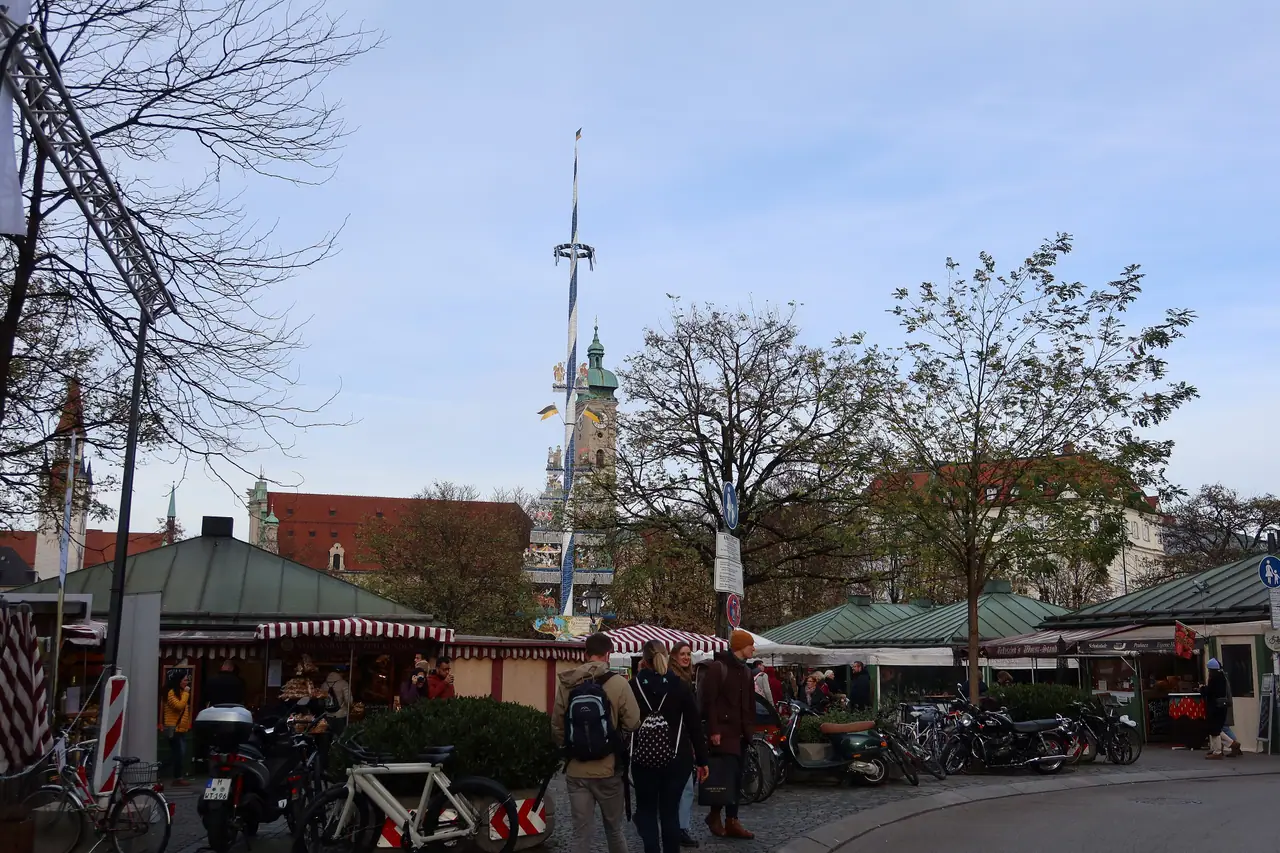
Germany uses the euro (EUR). Cash has a stronger tradition here than in many other euro countries, and some bakeries, small cafés, kiosks and market stalls still prefer it or set a minimum amount for card payments.
Supermarkets, chain stores and most restaurants take debit and credit cards, and contactless payment by card or phone is now routine at the till. Carrying some coins and small notes is still sensible for markets and small purchases. Some cash machines charge a fee to foreign cards, so read the screen before you confirm a withdrawal.
Where do people in Germany buy groceries?
Most everyday shopping happens in supermarkets and discount supermarkets, which compete hard on price and stock a large share of own-label products. Drugstore chains sell personal care and cleaning products, bakeries are on almost every street, and most towns hold a weekly open-air market.
Shops are closed on Sundays and public holidays by law, with exceptions for railway stations, airports, petrol stations and some bakeries, so many people do a larger shop on Saturday. Many drinks bottles and cans carry a deposit, refunded at return machines in supermarkets, and shoppers usually bring their own bags.
Is VAT included in shelf prices in Germany?
Yes. Prices on shelves and menus in Germany always include VAT (Mehrwertsteuer). The standard rate is 19%. Most food, books and some other basics carry a reduced rate of 7%, and since January 2026 that rate also applies to food served in restaurants. Most drinks other than milk are taxed at the standard rate.
Visitors who live outside the EU can usually reclaim VAT on goods they take home unused: ask the shop for a tax-free form, have it stamped by customs on departure, and claim through the shop or a refund service. Rules and fees change, so check the current conditions before you buy.
How have prices in Germany changed recently?
Germany went through a sharp inflation episode in 2022 and 2023, driven mainly by energy costs, and food prices rose markedly over that period. Inflation has since slowed, but prices have not returned to earlier levels, and food and services remain the costs people notice most. Because the euro's value against other currencies also shifts, the same German shelf price can feel different to a visitor from one month to the next. That is why every price on this page carries the date we read it.
Coverage by category
Compared with the other cities
US dollar prices for 50 products that we also have in at least three other cities. The percentage shows the difference from the average of those cities.
Lower in Germany
- Multi-purpose cleaner - 1 L$2.11-56%
- Shampoo - 400 ml$2.18-53%
- Drinking water - 1.5 L$0.32-49%
- Toothpaste - 100 ml$2.22-46%
- Liquid soap - 500 ml$1.36-45%
- Blanket - 1 piece$3.35-43%
Higher in Germany
- Towel - 50 x 90 cm$10.04+121%
- Socks - 3-pack$13.39+92%
- Tomatoes - 1 kg$4.46+65%
- LED bulb - 9W$6.69+59%
- Single bed linen set - 1 set$20.09+52%
- Pillow - 1 piece$7.80+50%
Local product types can differ between cities. The comparison tool only matches the same product type.
Compare Germany with another country
Same budget, same products: see where your money goes further.
Insights and guides about Germany
All articles →Travel and life in Germany
Pictures of Germany


How these prices were read
Prices come from public shop pages and haven't been independently verified. The Data & methodology page has the details. Data & methodology
Try your own budget
Pick a budget and two countries to see the same comparison with your own numbers.
Questions people ask
What is the price of milk in Germany?
The local shop price we read on November 8, 2026 was €0.95 per 1 L, about $1.06 at that day's reference rate.
What is the price of eggs in Germany?
The local shop price we read on November 8, 2026 was €2.49 per 10 pieces, about $2.78 at that day's reference rate.
What is the price of rice in Germany?
The local shop price we read on November 8, 2026 was €2.99 per 1 kg, about $3.34 at that day's reference rate.
How much is US$100 in Euro?
At the reference rate of November 8, 2026, US$100 comes to about €89.56.
Which products cost less in Germany than in the other cities?
By dollar price, the clearest gaps are multi-purpose cleaner (-56%), shampoo (-53%), and drinking water (-49%).
Which city do the Germany prices come from?
All prices on this page were read in Berlin.
Are shops open on Sundays in Germany?
Most shops in Germany, including supermarkets, are closed on Sundays and public holidays by law. Shops in railway stations, airports and petrol stations usually stay open, and some bakeries open for a few hours on Sunday mornings.
How does the bottle deposit work in Germany?
Many plastic bottles, cans and glass bottles in Germany carry a deposit (Pfand) that is added to the shelf price. You get it back by returning the empty container to a return machine or counter, usually in a supermarket, which gives you a voucher to redeem at the till.
Can I pay by card everywhere in Germany?
Cards, including contactless payments, are accepted in most supermarkets, chain stores and restaurants in Germany. Some bakeries, small cafés, kiosks and market stalls still prefer cash, so it is worth carrying a little when you shop in Germany.
Where do these prices come from?
Prices come from public shop pages and haven't been independently verified. The Data & methodology page has the details.