
What currency does Kosovo use?
Kosovo uses the euro (EUR) as its everyday currency, adopted unilaterally in 2002 after a period of using the German mark. Kosovo is not a member of the euro area and does not issue its own coins or notes, but all prices, wages and bank accounts are in euros.
Cards are accepted in supermarkets, chain stores, many cafés and restaurants in larger towns, and contactless payment is spreading. Cash is still common, especially at markets, small shops, bakeries and in rural areas, so it is worth carrying some smaller notes and coins.
Where do people in Kosovo buy groceries and everyday goods?
Kosovo households shop at supermarket chains and hypermarkets on the edges of towns, and at small neighbourhood mini-markets that sell bread, dairy and basics from first thing in the morning until late. Fresh bread and pastries come from local bakeries every day.
Open-air markets are the usual source of fruit, vegetables, cheese and seasonal produce, much of it grown locally, and some light bargaining is accepted there. Supermarket prices are fixed. Many shops open seven days a week, and imported goods from the region and the EU fill a large share of the shelves.
Is VAT included in shelf prices in Kosovo?
Yes. Prices on shelves and receipts in Kosovo already include value added tax. The standard rate is 18%, and a lower rate applies to some basic goods, so a number of everyday staples carry less tax than most other products.
That means the price on the label is what you pay at the till. Visitors should not count on getting VAT back on everyday purchases; if you plan a large purchase, ask the shop before you pay whether a tax refund is possible, and keep the receipt.
What moves prices in Kosovo?
Because Kosovo uses the euro, its prices followed the wider European rise in food and energy costs in 2022 and 2023, without a currency to cushion them. The country imports much of what it consumes, so transport costs and prices in neighbouring countries shape what appears on shelves.
Money sent home by Kosovars living abroad, and summer visits from the diaspora, also support local spending. Shelf prices can shift from one season to the next, so the read date next to each price on this page is worth checking.
Coverage by category
Compared with the other cities
US dollar prices for 37 products that we also have in at least three other cities. The percentage shows the difference from the average of those cities.
Lower in Kosovo
- Gloves - 1 pair$2.18-80%
- Socks - 3-pack$2.46-71%
- Shampoo - 400 ml$2.15-53%
- Basic cotton T-shirt - 1 piece$4.97-46%
- Shirt - 1 piece$14.46-45%
- Basic jacket - 1 piece$25.63-44%
Higher in Kosovo
- Cooking pot - 24 cm$27.75+130%
- Frying pan - 24 cm$16.28+99%
- Pillow - 1 piece$9.39+87%
- Blanket - 1 piece$9.39+83%
- Trash bags - 20 pieces$3.42+54%
- Dishwashing liquid - 500 ml$2.14+51%
Local product types can differ between cities. The comparison tool only matches the same product type.
Compare Kosovo with another country
Same budget, same products: see where your money goes further.
Insights and guides about Kosovo
All articles →Travel and life in Kosovo
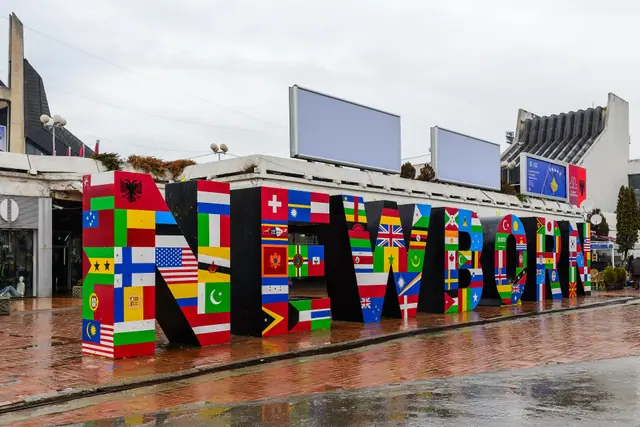
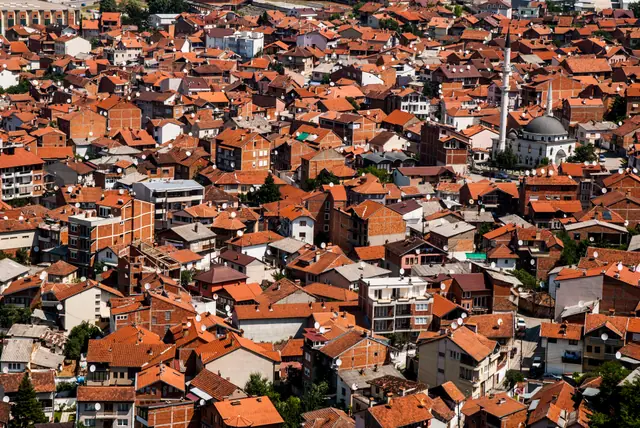
Pictures of Kosovo
How these prices were read
Prices come from public shop pages and haven't been independently verified. The Data & methodology page has the details. Data & methodology
Try your own budget
Pick a budget and two countries to see the same comparison with your own numbers.
Questions people ask
What is the price of milk in Kosovo?
The local shop price we read on November 8, 2026 was €1.49 per 1 L, about $1.66 at that day's reference rate.
What is the price of eggs in Kosovo?
The local shop price we read on November 8, 2026 was €1.46 per 10 pieces, about $1.63 at that day's reference rate.
What is the price of rice in Kosovo?
The local shop price we read on November 8, 2026 was €2.39 per 1 kg, about $2.67 at that day's reference rate.
How much is US$100 in Euro?
At the reference rate of November 8, 2026, US$100 comes to about €89.56.
Which products cost less in Kosovo than in the other cities?
By dollar price, the clearest gaps are gloves (-80%), socks (-71%), and shampoo (-53%).
Which city do the Kosovo prices come from?
All prices on this page were read in Pristina.
What currency does Kosovo use?
Kosovo uses the euro as its official everyday currency, although it is not a member of the euro area. Prices, wages and bank accounts in Kosovo are all in euros.
Do I need cash in Kosovo?
Yes, some cash is useful in Kosovo. Cards work in supermarkets, chain stores and many cafés in larger towns, but open-air markets, bakeries, small shops and rural businesses often prefer euros in cash.
Is VAT included in prices in Kosovo?
Yes. Shelf prices in Kosovo include VAT, which has a standard rate of 18%, with a lower rate for some basic goods.
Where do these prices come from?
Prices come from public shop pages and haven't been independently verified. The Data & methodology page has the details.