

How do people pay in Spain: cash, card or mobile?
Spain uses the euro (EUR). Card payments are accepted almost everywhere, from supermarkets to small bars, and contactless payment by card or phone is the norm for most purchases. Residents also use instant phone-to-phone bank transfers to split bills or pay small businesses, though visitors rarely need them.
Cash is still handy at market stalls, weekly street markets and some traditional bars. When a card terminal or cash machine offers to charge you in your home currency, choosing euros usually avoids a less favourable conversion rate.
Where do people in Spain buy groceries?
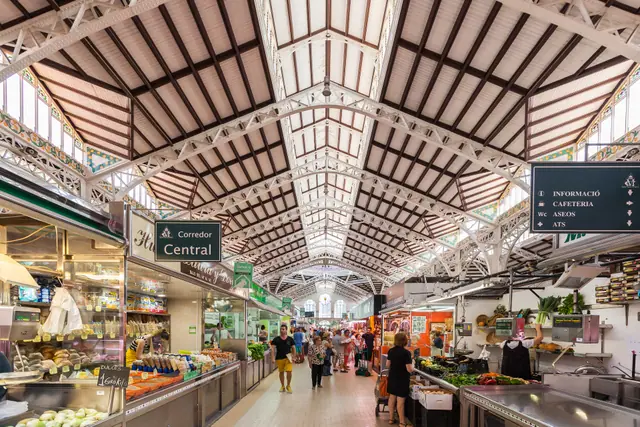
Spaniards shop at large supermarkets, neighbourhood supermarkets and discount chains, but in many cities covered municipal markets (mercados) remain important for fresh fish, meat, fruit and vegetables. Weekly street markets sell produce, clothing and household goods.
Small shops often close after lunch and reopen around five, while supermarkets usually stay open all day until about nine or ten in the evening. Sunday opening depends on the region: in some, such as the Madrid region, many shops open, while in others most stay closed. Bargaining is not usual in shops or food markets.
Is VAT included in prices in Spain?
Yes. Shelf prices in Spain include VAT (IVA). The standard rate is 21%, a reduced 10% rate covers many foods and restaurant meals, and a super-reduced 4% rate applies to basics such as bread, milk, eggs, fruit and vegetables. These food rates were cut temporarily during the recent inflation period, so check the current rules if you compare older receipts.
The Canary Islands use their own lower tax instead of IVA. Visitors from outside the EU can reclaim IVA on goods taken home by asking the shop for a tax-free form and validating it at customs on departure.
How have prices in Spain changed recently?
Spain was hit by the 2022 energy price shock like the rest of Europe, and food prices rose sharply in the years that followed, with olive oil, hit by drought, the best-known example. Inflation has eased since then, but grocery bills remain higher than before the episode. Tourism keeps prices in popular coastal and city areas above those in residential neighbourhoods and inland towns. Because prices and exchange rates keep moving, each price on this page shows the date we read it.
Coverage by category
Compared with the other cities
US dollar prices for 48 products that we also have in at least three other cities. The percentage shows the difference from the average of those cities.
Lower in Spain
- Shower gel - 400 ml$0.75-85%
- Toothbrush - 1 piece$0.38-75%
- Shampoo - 400 ml$1.36-71%
- Trash bags - 20 pieces$1.00-60%
- Deodorant - 150 ml$1.91-56%
- Liquid soap - 500 ml$1.17-53%
Higher in Spain
- Gloves - 1 pair$17.85+106%
- Socks - 3-pack$11.71+62%
- Drinking water - 1.5 L$0.89+57%
- Instant noodles - 1 pack$0.82+29%
- Beanie - 1 piece$11.15+28%
- Onions - 1 kg$1.67+28%
Local product types can differ between cities. The comparison tool only matches the same product type.
Compare Spain with another country
Same budget, same products: see where your money goes further.
Insights and guides about Spain
All articles →Travel and life in Spain
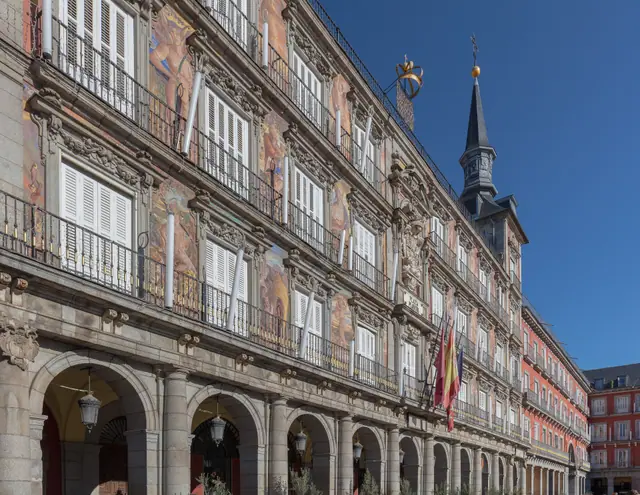
Pictures of Spain
How these prices were read
Prices come from public shop pages and haven't been independently verified. The Data & methodology page has the details. Data & methodology
Try your own budget
Pick a budget and two countries to see the same comparison with your own numbers.
Questions people ask
What is the price of milk in Spain?
The local shop price we read on November 8, 2026 was €0.96 per 1 L, about $1.07 at that day's reference rate.
What is the price of eggs in Spain?
The local shop price we read on November 8, 2026 was €2.38 per 10 pieces, about $2.66 at that day's reference rate.
What is the price of rice in Spain?
The local shop price we read on November 8, 2026 was €1.60 per 1 kg, about $1.79 at that day's reference rate.
How much is US$100 in Euro?
At the reference rate of November 8, 2026, US$100 comes to about €89.56.
Which products cost less in Spain than in the other cities?
By dollar price, the clearest gaps are shower gel (-85%), toothbrush (-75%), and shampoo (-71%).
Which city do the Spain prices come from?
All prices on this page were read in Madrid.
Are shops open on Sundays in Spain?
Sunday opening in Spain depends on the region. In the Madrid region many supermarkets and shops can open on Sundays, while in many other Spanish regions most shops close on Sundays except in tourist areas and on set dates.
Do the Canary Islands use the same VAT as mainland Spain?
No. The Canary Islands do not apply Spain's IVA; they have their own indirect tax, IGIC, with lower rates than the mainland. Shelf prices for the same product can therefore differ between the Canary Islands and mainland Spain.
Can tourists get a VAT refund in Spain?
Visitors who live outside the European Union can reclaim IVA on goods bought in Spain and taken home unused. Ask the shop for a tax-free form when you buy, validate it electronically at the airport or border before you leave Spain, and check the fees and conditions at the time of purchase.
Where do these prices come from?
Prices come from public shop pages and haven't been independently verified. The Data & methodology page has the details.