What currency does Thailand use, and how do people pay?
Thailand's currency is the Thai baht, code THB, divided into 100 satang. Cash is still handy for street food, market stalls, taxis and small shops. ATMs are easy to find, though local banks usually charge a fixed fee on every withdrawal made with a foreign card.
Card payments are routine in supermarkets, shopping centres and hotels. QR-code payments linked to bank accounts are everywhere, from food stalls to convenience stores, and many visitors now pay this way through apps that support Thai QR codes. Carry some small notes anyway, because not every vendor takes cards.
Where do people in Thailand buy groceries and everyday goods?
Everyday shopping in Thailand is split between fresh markets, supermarkets, hypermarkets and a dense network of convenience stores, many of which open around the clock. Many households buy meat, fish, fruit and vegetables at fresh markets in the early morning, and go to supermarkets for packaged and imported goods.
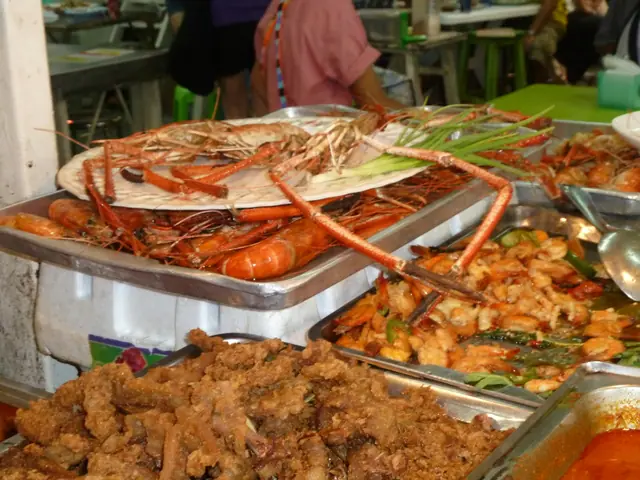
Night markets combine ready-to-eat food with clothing and household items. Polite bargaining is normal for clothing and souvenirs at stalls, but not for food sold by weight or in shops with marked prices. Many large stores no longer hand out free plastic bags, so a reusable bag is worth carrying.
Is VAT included in shelf prices in Thailand?
Yes. Shelf prices in Thai shops normally include value added tax, which has been charged at a reduced rate of 7% for many years instead of the 10% written into law. Some restaurants and hotels add a service charge and VAT on top of menu prices, so check the note at the bottom of the menu.
Visitors can claim back VAT on eligible goods bought in shops that take part in the tourist refund scheme. You usually need your passport when buying, a refund form from the shop and a customs check at the airport before departure. Minimum spends and procedures change, so check the current rules before you shop.
How have prices in Thailand changed recently?
Consumer price inflation in Thailand has been low in recent years, and in some months prices were even slightly lower than a year earlier. Energy costs, harvests and government measures on fuel and electricity tend to move the headline figure. For visitors, the exchange rate between the baht and their own currency often matters more than local inflation, which is why every price on this page carries the date we read it.
Coverage by category
Compared with the other cities
US dollar prices for 35 products that we also have in at least three other cities. The percentage shows the difference from the average of those cities.
Lower in Thailand
- Toilet paper - 4 rolls$0.44-74%
- Beef - 1 kg$7.90-66%
- Pillow - 1 piece$2.35-59%
- Casual sneakers - 1 pair$11.00-56%
- Towel - 50 x 90 cm$2.53-53%
- Cooking pot - 24 cm$7.42-49%
Higher in Thailand
- Shirt - 1 piece$56.33+152%
- Women's dress - 1 piece$50.37+131%
- Pasta - 500 g$1.95+49%
- Laundry detergent - 1.5 L$6.38+42%
- Basic cotton T-shirt - 1 piece$11.62+37%
- Bar soap - 100 g$1.67+36%
Local product types can differ between cities. The comparison tool only matches the same product type.
Compare Thailand with another country
Same budget, same products: see where your money goes further.
Insights and guides about Thailand
All articles →Travel and life in Thailand
Pictures of Thailand

How these prices were read
Prices come from public shop pages and haven't been independently verified. The Data & methodology page has the details. Data & methodology
Try your own budget
Pick a budget and two countries to see the same comparison with your own numbers.
Questions people ask
What is the price of milk in Thailand?
The local shop price we read on November 8, 2026 was THB 50.00 per 1 L, about $1.49 at that day's reference rate.
What is the price of eggs in Thailand?
The local shop price we read on November 8, 2026 was THB 71.00 per 10 pieces, about $2.12 at that day's reference rate.
What is the price of rice in Thailand?
The local shop price we read on November 8, 2026 was THB 48.90 per 1 kg, about $1.46 at that day's reference rate.
How much is US$100 in Thai baht?
At the reference rate of November 8, 2026, US$100 comes to about THB 3,355.03.
Which products cost less in Thailand than in the other cities?
By dollar price, the clearest gaps are toilet paper (-74%), beef (-66%), and pillow (-59%).
Which city do the Thailand prices come from?
All prices on this page were read in Bangkok.
Do I need cash in Thailand?
Cash is still useful in Thailand for street food, market stalls, taxis and small shops, even though cards and QR-code payments are widely accepted in supermarkets, shopping centres and many smaller businesses. Keeping a few small baht notes covers the cases where a card is not accepted.
Can tourists get a VAT refund in Thailand?
Yes, visitors leaving Thailand by air can usually reclaim VAT on eligible goods bought in shops that take part in the tourist refund scheme. You need your passport when you buy, the refund form from the shop and a customs check at the airport, and minimum spends apply, so check the current rules before you buy.
Are shops in Thailand open on Sundays and in the evening?
Most shopping centres and supermarkets in Thailand open every day, including Sundays, usually until late evening, and many convenience stores stay open 24 hours. Fresh markets get going in the early morning and often wind down by midday, while night markets open in the late afternoon.
Where do these prices come from?
Prices come from public shop pages and haven't been independently verified. The Data & methodology page has the details.